Tips for Creating a Relaxing Home Workspace to Boost Productivity and Comfort
Creating a relaxing home workspace is essential for maintaining productivity and comfort throughout your workday. Whether you’re working full-time from home or occasionally catching up on tasks, your environment plays a significant role in how focused and motivated you feel. In this post, we’ll explore practical tips to help you design a workspace that promotes calm, reduces stress, and keeps you productive.
Why a Relaxing Workspace Matters
A cluttered or uncomfortable workspace can lead to distractions, fatigue, and decreased productivity. Conversely, a well-designed space can boost your energy, creativity, and overall work satisfaction. Taking time to create a relaxing home office environment is an investment in your well-being and work performance.
1. Choose the Right Location
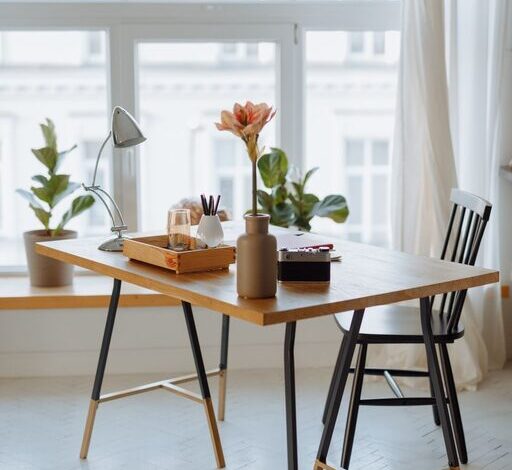
Start by selecting a quiet, well-lit spot in your home for your workspace. Ideally, this should be away from high-traffic areas to limit noise and interruptions. Natural light is important because it improves mood and reduces eye strain. If natural light is limited, invest in soft, warm artificial lighting.
Tips for selecting your workspace:
– Avoid working from your bed or couch to maintain a clear boundary between work and relaxation.
– If space is small, consider a foldable desk or a corner setup to maximize your room.
– Use noise-cancelling headphones or white noise machines if background sounds are unavoidable.
2. Invest in Ergonomic Furniture
Comfort is crucial for a relaxing workspace. An ergonomic chair and desk help prevent back, neck, and wrist pain, allowing you to work longer with less discomfort.
Key features to look for:
– Adjustable chair height and lumbar support
– Desk at a height where your arms rest comfortably at 90 degrees
– Footrest if your feet don’t comfortably reach the floor
Adding a standing desk option or a balance board can also encourage movement during the day.
3. Keep Your Workspace Organized
A clutter-free desk helps keep your mind clear and focused. Use smart storage solutions such as shelves, drawers, and desk organizers to keep supplies within reach but out of sight.
Organizational ideas:
– Use trays or boxes for papers and stationery
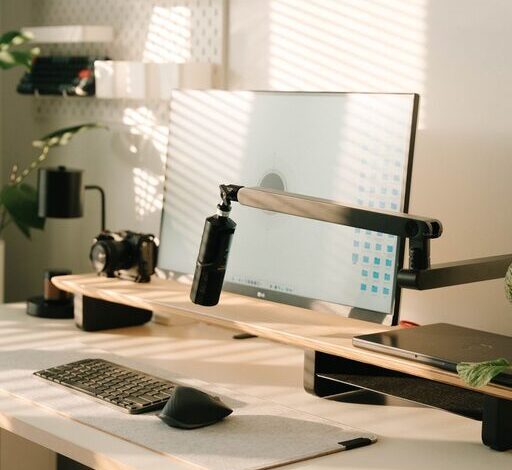
– Cable management clips keep cords tidy and reduce distractions
– Keep only essential items on your desk to avoid visual clutter
At the end of each day, take a few minutes to tidy your space to start fresh the next morning.
4. Personalize with Calming Elements
Adding touches that bring you comfort can make your workspace feel more inviting and less sterile.
Ideas for calming personal touches:
– Indoor plants: They add color and improve air quality.
– Soft textiles: Cushions or a cozy throw can make your chair more comfortable.
– Artwork or photos: Display meaningful images that inspire or uplift you.
Avoid overcrowding your workspace with decorations; aim for a balance that feels serene.
5. Optimize Lighting for Comfort
Proper lighting reduces eye strain and sets a pleasant tone for your workday.
– Use natural light as much as possible by positioning your desk near a window.
– Add a desk lamp with adjustable brightness and color temperature.
– Avoid harsh overhead fluorescents; opt for warm white bulbs that mimic daylight.
If glare is a problem, use blinds or curtains to soften direct sunlight.
6. Minimize Distractions
A relaxing workspace should help you focus, so minimize distractions to stay productive.
– Turn off unnecessary notifications on your devices.
– Use apps or tools to block distracting websites during work hours.
– Keep a designated “do not disturb” sign or routine with household members.
Consider setting regular breaks to recharge without losing focus.
7. Incorporate Movement and Break Zones
Your workspace doesn’t have to be limited to a desk. Creating space for short movement or relaxation breaks can refresh your mind.
– Set up a small area for stretching or simple exercises.
– Use a comfortable chair or cushion for brief rest moments.
– Practice quick mindfulness exercises to reduce stress.
Changing your posture frequently enhances blood flow and keeps energy levels up.
8. Maintain Proper Air Quality and Temperature
A breathable, comfortable environment positively affects concentration and mood.
– Open windows periodically to let fresh air in.
– Use an air purifier if your home has allergies or pollutants.
– Adjust room temperature to a comfortable range, usually between 68–72°F.
Avoid overly dry or stuffy rooms as they can cause discomfort or fatigue.
Final Thoughts
Creating a relaxing home workspace takes intention and a bit of effort, but the payoff is well worth it. By choosing the right location, investing in ergonomic furniture, organizing smartly, and adding calming touches, you can build an environment that supports productivity and comfort. Remember to listen to your body and update your space as needed to keep it refreshing and inspiring.
Your workspace should be more than just functional—it should be a place where you feel calm, focused, and ready to take on your day. Start making small changes today, and enjoy the benefits of a thoughtfully designed home office.