Tips for Creating a Cozy and Functional Home Office Space
Creating a cozy and functional home office space is essential for anyone working from home or managing tasks remotely. A well-designed office can boost your productivity, improve your mood, and make your workday more enjoyable. In this post, we’ll explore practical tips on how to craft a workspace that feels comfortable while supporting your daily tasks efficiently.
Why a Cozy and Functional Home Office Matters
Working from home has become increasingly common, and your home office is your go-to place for concentration and creativity. If your workspace is cluttered, uncomfortable, or uninspiring, it can negatively affect your focus and motivation. On the other hand, a cozy and well-organized space can help reduce stress and make long hours at the desk easier.
Choose the Right Location
The first step in setting up your office is selecting the best spot available. Consider these factors when choosing your location:
– Natural Light: A space near a window with plenty of natural light can improve your mood and reduce eye strain.
– Privacy: Look for a quiet area where interruptions are minimal.
– Space: Make sure there’s enough room for your desk, chair, and any other equipment or supplies you need.
If possible, avoid setting up your office in a high-traffic area to minimize distractions.
Invest in Comfortable, Ergonomic Furniture
Comfort is key to a productive home office. Opt for ergonomic furniture that supports good posture and reduces strain.
– Desk: Choose a desk with ample surface area to accommodate your computer, notebooks, and other essentials.
– Chair: Invest in an adjustable office chair with lumbar support that encourages a healthy sitting position.
– Additional Furniture: Consider filing cabinets, bookshelves, or storage boxes to keep your items organized and within reach.
Remember, a standing desk or adjustable desk converter can be a great way to vary your working position throughout the day.
Organize Your Space Efficiently
A clutter-free and organized space keeps your mind clear and minimizes stress. Here are some organizational tips:
– Declutter Regularly: Remove anything you don’t need.
– Use Storage Solutions: Utilize shelves, drawers, and desk organizers for paperwork and supplies.
– Cable Management: Use clips, ties, or boxes to keep cords tidy and out of the way.
– Designate Zones: Create specific areas for different tasks, like a computer zone, writing area, and reference materials section.
Personalize Your Workspace
Adding personal touches can make your office feel warm and inviting. Consider incorporating:
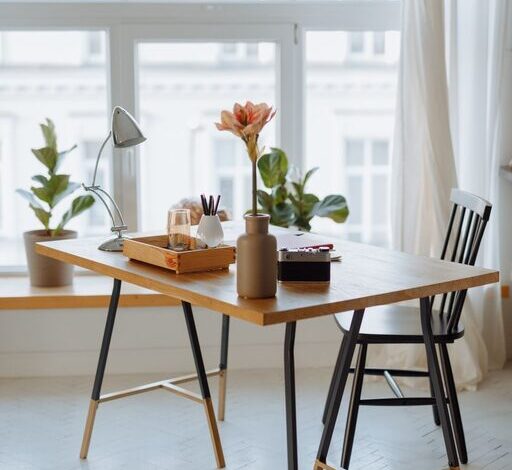
– Decor: Use plants, artwork, or photos that inspire you.
– Colors: Choose wall colors or accessories that boost your mood, such as soft blues, greens, or neutral tones.
– Lighting: Besides natural light, add desk lamps or ambient lighting with warm bulbs to create a relaxing atmosphere.
Personalization helps your workspace feel like a pleasant place rather than just a work area.
Incorporate Technology Wisely
Technology is essential, but it should enhance, not hinder, your workflow.
– Reliable Equipment: Use computers, printers, and other devices that suit your work needs.
– High-Speed Internet: Ensure your connection is fast and stable to avoid interruptions.
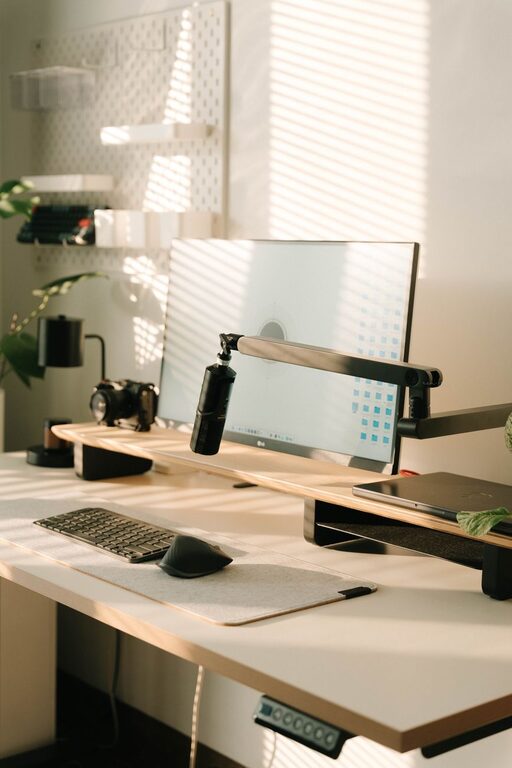
– Accessories: Items like noise-canceling headphones, webcam, or external monitors can improve efficiency.
– Software: Organize digital files and use apps for task management, note-taking, or communication.
Keeping your tech updated and user-friendly minimizes frustration and downtime.
Control Noise and Distractions
Maintaining focus is crucial in a home office where distractions abound.
– Sound Control: Use rugs, curtains, or acoustic panels to absorb noise.
– Quiet Hours: Make agreements with others in your household about quiet times.
– White Noise or Music: Some people find background sounds helpful for concentration.
– Limit Interruptions: Turn off unnecessary notifications and use “Do Not Disturb” modes when needed.
A peaceful environment allows you to stay in the zone longer.
Maintain Good Air Quality and Temperature
Your physical comfort influences your productivity. Keep your office space well-ventilated and at a comfortable temperature.
– Fresh Air: Open windows or use air purifiers.
– Plants: Indoor plants can improve air quality and add life to your space.
– Heating and Cooling: Use portable fans, heaters, or adjust HVAC settings as needed to stay comfortable year-round.
Establish Routines and Boundaries
Finally, your workspace is more effective when paired with healthy work habits:
– Set Working Hours: Define start and end times to separate work and relaxation.
– Breaks: Take short breaks every hour to stretch and rest your eyes.
– End-of-Day Ritual: Tidy your desk and plan for the next day before finishing work.
– Limit Workspace Use: Try not to use your office for non-work activities to maintain a professional mindset.
Final Thoughts
A cozy and functional home office is more than just a desk and chair. It’s about creating an environment that supports your work habits and makes you feel comfortable throughout your day. By choosing the right location, investing in ergonomic furniture, personalizing your space, and maintaining organization, you can build a home office that helps you thrive. Remember, your workspace is an extension of your work style, so tailor it to fit your unique needs and preferences. Happy decorating!