Tips for Creating a Cozy and Productive Home Office Space
Creating a cozy and productive home office space is essential for anyone working remotely or managing tasks from home. A well-designed workspace not only boosts your efficiency but also makes your workday more enjoyable. Whether you have a dedicated room or a small corner, these tips will help you create an environment that balances comfort with functionality.
Choose the Right Location
Selecting the perfect spot for your home office is the first step. Consider the following:
– Natural Light: Place your desk near a window to benefit from natural light. It helps reduce eye strain and lifts your mood.
– Quiet Area: Pick a space away from high-traffic or noisy zones in your home to minimize distractions.
– Space: Ensure enough room to accommodate your desk, chair, and essential equipment without feeling cramped.
Invest in Ergonomic Furniture
Comfort is key to maintaining productivity and preventing physical strain during long work hours.
– Ergonomic Chair: Choose a chair that supports your lower back, offers adjustable height, and promotes good posture.
– Desk Height: Your desk should be at a height where your arms can rest comfortably at a 90-degree angle.
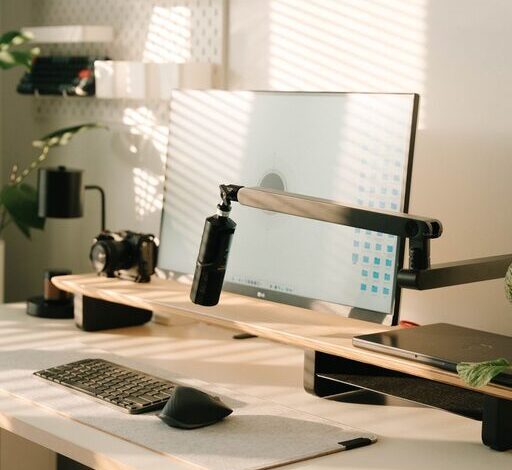
– Keyboard and Monitor Position: Position your keyboard and monitor to avoid hunching forward. The top of your screen should be at or slightly below eye level.
Personalize Your Space
Adding personal touches can make your work area inviting and inspiring.
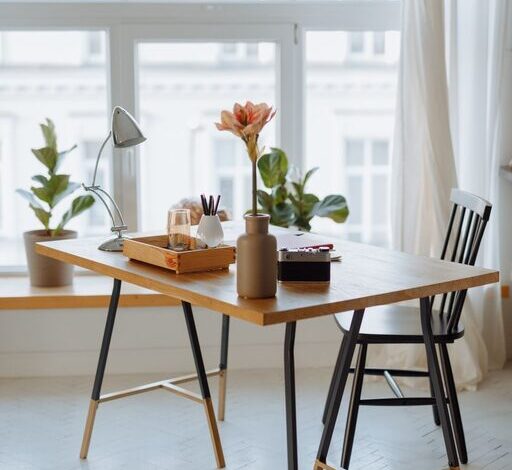
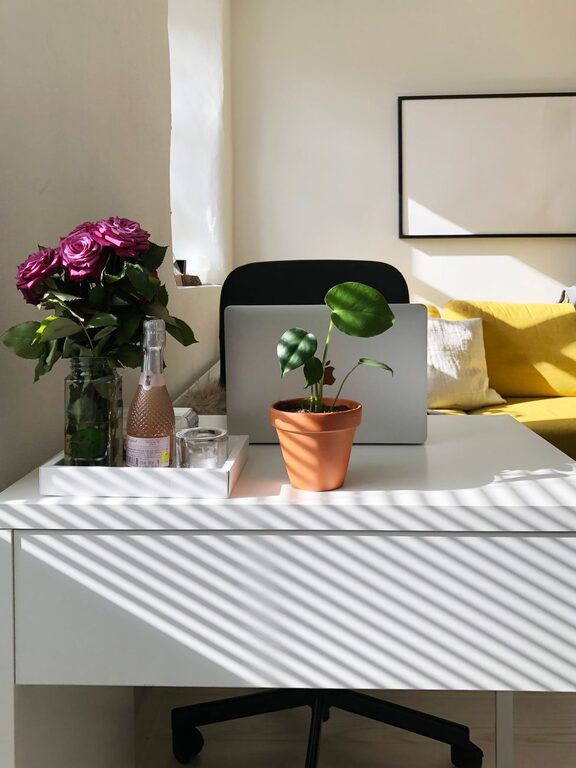
– Decorative Elements: Use photos, artwork, or plants to create a pleasant atmosphere.
– Color Palette: Opt for calming colors like soft blues, greens, or neutrals to create a peaceful environment.
– Comfort Items: Include a cozy throw blanket, cushions, or a small rug for added warmth and comfort.
Organize and Declutter
A tidy workspace can improve focus and reduce stress.
– Storage Solutions: Use shelves, drawers, and organizers to keep documents and office supplies in order.
– Cable Management: Use clips or cable boxes to keep cords and wires tidy and out of the way.
– Daily Cleanup: Spend a few minutes at the end of each day to clear your desk and prepare for the next.
Optimize Lighting
Proper lighting reduces fatigue and promotes alertness.
– Task Lighting: A good desk lamp with adjustable brightness can help focus light on your work area.
– Avoid Glare: Position screens and lights to avoid glare, which can cause headaches and eye strain.
– Layered Lighting: Combine ambient lighting with task lighting for a balanced setup.
Incorporate Natural Elements
Bringing nature indoors can increase well-being.
– Plants: Houseplants improve air quality and add a refreshing touch to the room.
– Natural Materials: Use wooden furniture or accessories to add warmth and texture.
– Fresh Air: If possible, open windows regularly to keep the air fresh and invigorating.
Create a Functional Layout
Arrange your furniture and equipment to streamline your workflow.
– Accessibility: Keep frequently used items within arm’s reach.
– Separate Zones: If space allows, designate areas for different tasks, like a writing zone and a computer zone.
– Movement Space: Leave enough room to move comfortably and stretch.
Set Boundaries
It’s important to separate work from personal life even when working at home.
– Dedicated Workspace: Confine work to your office area and avoid working in bed or on the couch.
– Work Hours: Establish clear working hours and communicate them with family or housemates.
– Visual Cues: Use physical signals, like closing the door or using curtains, to mark the start and end of your workday.
Add Inspiring Tools and Accessories
Equip your space with tools that enhance creativity and efficiency.
– Quality Technology: Invest in a reliable computer, keyboard, mouse, and headset.
– Stationery: Keep essential supplies like pens, sticky notes, and notebooks handy.
– Whiteboard or Bulletin Board: Use these to track tasks, deadlines, or ideas visually.
Maintain a Healthy Routine
The environment supports productivity, but your habits matter as well.
– Regular Breaks: Step away from your desk periodically to rest your eyes and stretch.
– Hydration and Snacks: Keep water and healthy snacks nearby.
– Exercise: Incorporate simple exercises or stretches into your daily routine to stay energized.
—
Creating a cozy and productive home office doesn’t require a complete renovation. By thoughtfully arranging your space, choosing the right furniture, and adding personal touches, you can build a comfortable and efficient environment that supports your work and well-being. Remember, your home office should reflect your style and needs while encouraging focus and creativity.