Tips for Creating a Relaxing Home Workspace
Creating a relaxing home workspace is essential for maintaining focus, reducing stress, and improving productivity. Whether you work from home full-time or need a dedicated spot for occasional tasks, a comfortable and calming environment can positively impact your workday. Below, we’ll explore practical tips to help you design a home workspace that feels inviting and peaceful.
Choose the Right Location
Find a Quiet Spot
Start by selecting a space that offers some quiet and privacy. Avoid high-traffic areas where noise and distractions are common. If possible, a spare room, a corner in the bedroom, or a nook away from communal spaces can work well.
Natural Light Matters
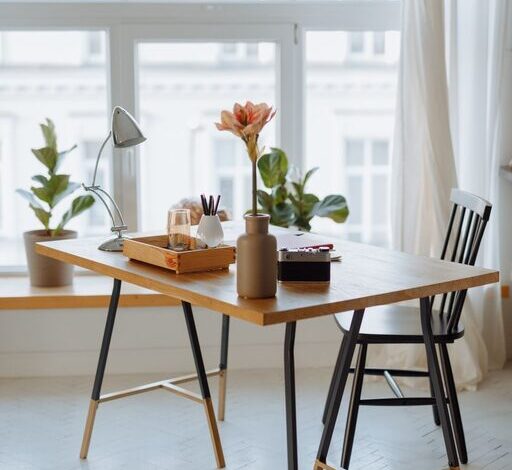
Place your workspace near a window to benefit from natural light. Sunlight can improve mood and energy levels, making your workday more enjoyable. If natural light is limited, consider using a daylight-mimicking desk lamp to brighten your area.
Invest in Comfortable Furniture
Ergonomic Chair
An ergonomic chair supports good posture and reduces the risk of discomfort or injury. Look for chairs with adjustable height, lumbar support, and comfortable cushioning.
Functional Desk
A desk with ample surface space helps keep your work materials organized. Consider desks with built-in storage or shelves to reduce clutter.
Keep Your Space Organized
Declutter Regularly
A cluttered workspace can increase stress and distraction. Keep only essential items on your desk and store away anything not in use.
Use Storage Solutions
Invest in storage bins, shelves, or drawer organizers to keep supplies neat and accessible. Label containers to make finding items easier.
Add Personal and Calming Touches
Incorporate Plants
Houseplants not only add color but also improve air quality and create a sense of calm. Choose low-maintenance plants like succulents, snake plants, or pothos for easy care.
Artwork and Decor
Decorate your workspace with artwork, photos, or items that inspire you. Avoid overly busy or distracting designs; opt for pieces that bring a sense of peace.
Soft Textiles
Adding a cozy rug, cushions, or a throw blanket can make your workspace feel warmer and more inviting.
Manage Lighting and Sound
Adjustable Lighting
Use a combination of overhead lighting and task lamps to control brightness. Dimmable lights allow you to set the mood according to your needs.
Control Noise
If outside noise is an issue, consider noise-canceling headphones or a white noise machine. Soft background music or natural sounds can also enhance relaxation and concentration.
Establish a Routine and Boundaries
Set Work Hours
Having clear start and end times for your work helps separate professional and personal life, reducing burnout.
Create a Ritual
Begin your workday with a calming activity, such as stretching, deep breathing, or a short walk. This signals to your brain that it’s time to focus.
Take Breaks
Regular breaks refresh your mind and prevent fatigue. Use break time to move around, hydrate, or enjoy a quiet moment.
Optimize Technology Setup
Choose the Right Equipment
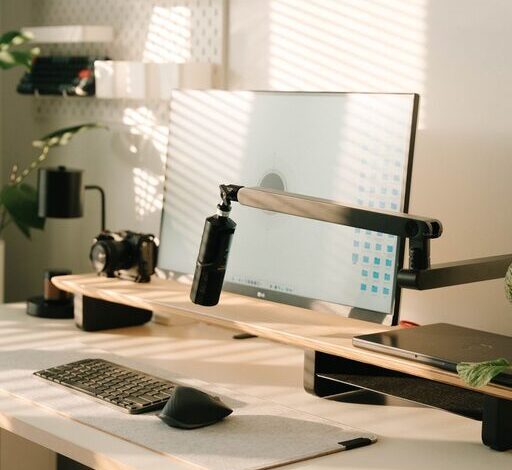
Invest in technology that supports your workflow, such as a reliable computer, keyboard, and mouse.
Cable Management
Use cable organizers or clips to keep cords tidy and prevent tangles.
Reduce Screen Glare
Position your monitor to avoid reflections and consider using an anti-glare screen if needed.
Maintain Cleanliness
A clean workspace promotes a sense of order and reduces stress. Wipe down surfaces regularly and keep your area free of dust and crumbs.
Final Thoughts
Designing a relaxing home workspace is about creating an environment that supports comfort, focus, and well-being. By choosing the right location, investing in comfortable furniture, keeping things organized, and adding personal touches, you can transform any space into a peaceful and productive haven. Remember, small changes can make a big difference, so start with a few tips and build your ideal workspace over time.